PM Modi

Prime Minister Narendra Modi has once again urged Indians to focus on strengthening the domestic economy by prioritising Indian-made products, limiting unnecessary foreign travel and avoiding non-essential gold purchases.

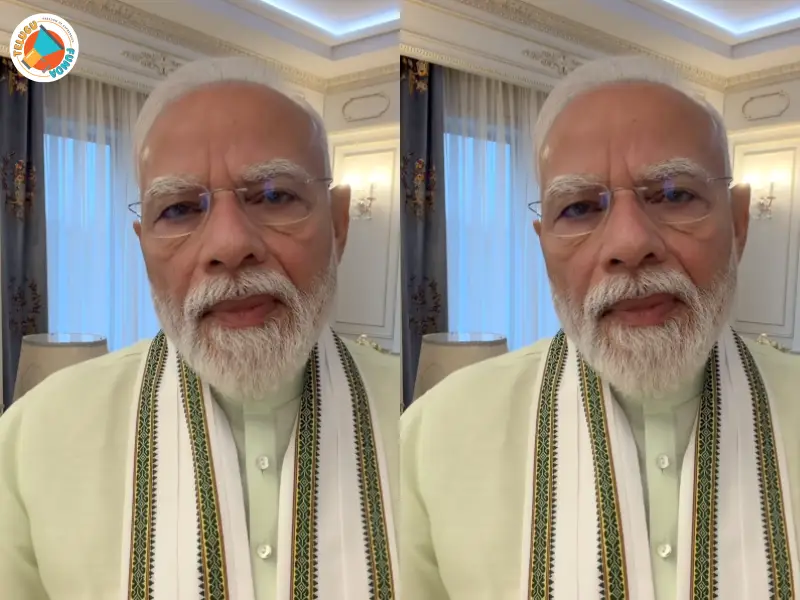
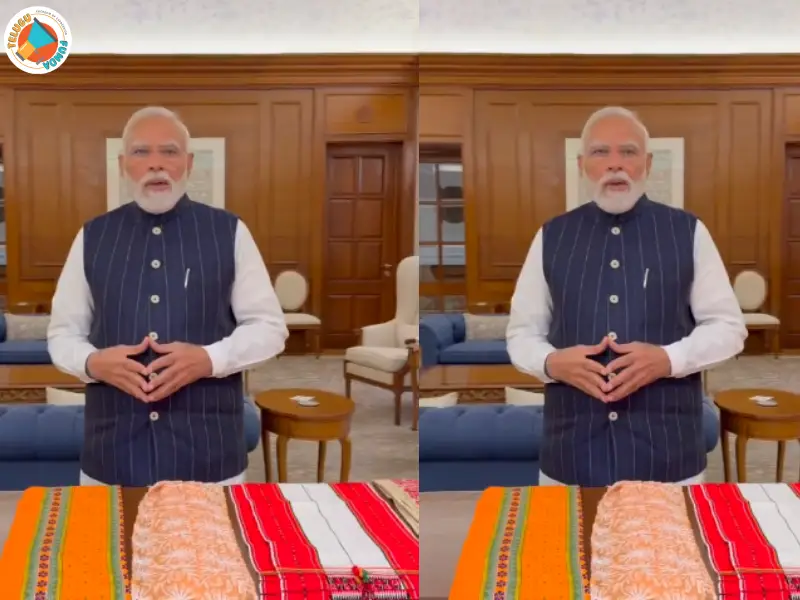
During an official visit, Modi shared a video message on social media in which he highlighted India’s strong economic performance and reiterated his call for citizens to contribute to the country’s journey towards becoming a developed nation.

The Prime Minister pointed to India’s reported GDP growth of more than 7.8%, describing the performance as remarkable at a time when several parts of the global economy are facing challenges. He stressed that India’s economic progress should be supported by greater reliance on domestic products and services.

Modi once again promoted the idea of ‘Made in India’ and ‘Vocal for Local’, while advising citizens to avoid unnecessary overseas leisure trips, foreign destination weddings and non-essential purchases of gold. According to the broader message, reducing spending that takes money out of the domestic economy could help strengthen India’s economic resources.

However, the appeal has also raised questions among sections of the public, particularly those whose livelihoods are directly connected to the gold industry. Goldsmiths, jewellery manufacturers, traders and workers associated with the sector depend heavily on gold purchases and jewellery-making for their income.

For these communities, a continued public campaign encouraging people to reduce gold purchases could potentially affect demand and, in turn, impact their livelihoods. This has led to a debate over how such economic messaging can be balanced with the interests of traditional industries and workers dependent on consumer spending.

Modi has repeatedly spoken about reducing India’s dependence on gold and encouraging people to spend more within the domestic economy. He has also promoted the idea of celebrating weddings in India rather than choosing foreign destinations.

The larger question now is how the public will respond to the Prime Minister’s latest appeal. While supporters may see it as a push towards self-reliance and stronger domestic consumption, others are questioning its possible impact on sectors such as the gold and jewellery industry.

Follow Telugu Funda on trending Social Media Platforms for more Cinema, OTT, Political, And Sports updates.
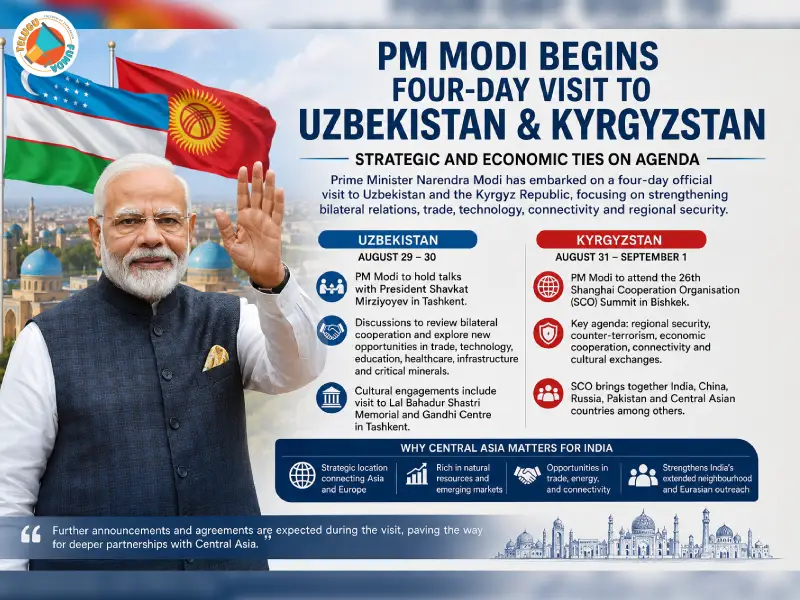
Prime Minister Narendra Modi has begun his four-day official visit to Uzbekistan and the Kyrgyz Republic, with bilateral relations, trade, technology, connectivity and regional security expected to feature prominently in his engagements.

According to the Prime Minister’s Office, Modi will be in Uzbekistan from August 29 to 30 before travelling to Kyrgyzstan from August 31 to September 1 to attend the 26th Shanghai Cooperation Organisation (SCO) Summit.

Modi Holds Talks With Uzbekistan President

The first leg of the visit takes Modi to Tashkent, where he is scheduled to meet Uzbek President Shavkat Mirziyoyev. The two leaders are expected to review the progress of bilateral cooperation and discuss new opportunities to strengthen economic and institutional ties.

India and Uzbekistan have maintained close diplomatic relations since the establishment of ties following the dissolution of the Soviet Union. Cooperation between the two countries has gradually expanded into sectors including pharmaceuticals, healthcare, education, information technology, infrastructure and trade.

Critical minerals and emerging technologies are also gaining importance in India’s engagement with Central Asia. The region holds strategic significance due to its natural resources, geographical position and links between major Asian and European markets.

Education remains another key area of India-Uzbekistan relations, with thousands of Indian students pursuing studies in Central Asian countries, particularly in the medical sector.

Cultural Engagements in Tashkent

Modi’s Uzbekistan itinerary also includes engagements highlighting the historical and cultural links between the two nations. He is scheduled to visit places associated with India’s legacy in Uzbekistan, including the Lal Bahadur Shastri Memorial and the Gandhi Centre in Tashkent.

Modi to Attend SCO Summit in Kyrgyzstan

After completing his Uzbekistan visit, Modi will travel to Bishkek in Kyrgyzstan to participate in the 26th SCO Summit.

The SCO brings together India, China, Russia, Pakistan and several Central Asian nations, making it an important platform for discussions on regional security, economic cooperation and connectivity.

Regional security, terrorism, economic partnerships and developments across Central Asia and the wider Eurasian region are expected to be among the key issues discussed at the summit.

Central Asia Gains Strategic Importance for India

The geopolitical importance of Central Asia has increased amid changing global partnerships, energy security concerns and the development of new transport corridors.

For India, the region is particularly significant because of its proximity to Afghanistan and its role in New Delhi’s broader Eurasian strategy. India has been exploring ways to improve connectivity with Central Asian markets despite geographical challenges, including routes through Iran and other regional partners.

Closer engagement with Uzbekistan could create opportunities for Indian businesses in pharmaceuticals, IT, healthcare, education and infrastructure. At the same time, stronger economic ties could help India expand its commercial presence across Central Asian markets.

Kyrgyzstan is also an important partner for India in the region, with defence and security cooperation, education and cultural exchanges forming key areas of bilateral engagement.

What to Expect From Modi’s Visit

The four-day visit combines bilateral diplomacy with multilateral engagement. While the Uzbekistan leg is focused on strengthening India-Uzbekistan ties, the Kyrgyzstan visit will place India within the wider SCO framework.

The visit is being closely watched for possible announcements or agreements involving trade, investment, education, technology and strategic cooperation.

For New Delhi, the broader objective is to translate growing diplomatic engagement with Central Asia into stronger economic, technological and strategic partnerships.

With Modi’s programme continuing until September 1, further developments are expected during his bilateral meetings and the SCO Summit.

Follow Telugu Funda on trending Social Media Platforms for more Cinema, OTT, Political, And Sports updates.
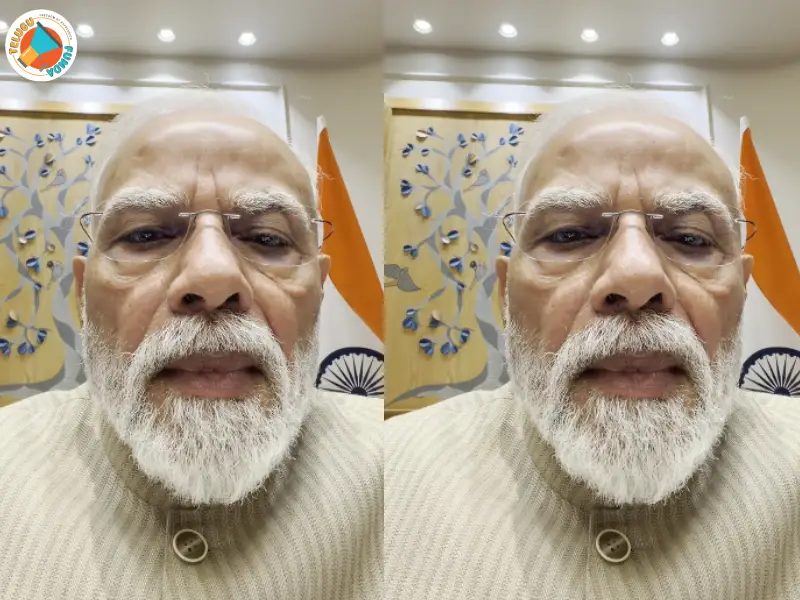
Prime Minister Narendra Modi is continuing his push to engage with India’s younger generation through social media, with Instagram emerging as one of his preferred platforms. Over the past few weeks, the Prime Minister has been sharing reels regularly, aiming to connect with Gen Z and Gen Alpha in a format that resonates with today’s digital audience.

His latest Instagram reel focuses on India’s vibrant handloom sector. In the video, Modi highlights the cultural and economic importance of traditional handloom products, emphasizing the role they play in preserving the country’s heritage and supporting artisans across India.

The Prime Minister also invited young citizens to actively participate in promoting the sector by sharing their favorite handloom products and ideas. The campaign seeks to encourage greater awareness and appreciation of indigenous textiles while inspiring youth to contribute to the growth of the industry.

The increased use of Instagram reflects the government’s broader effort to communicate directly with younger audiences through platforms they use the most. Short-form videos and reels have become an effective way to share messages quickly and engage millions of users online.

With these frequent Instagram updates, Narendra Modi appears to be strengthening his digital outreach strategy, using social media not only to highlight government initiatives but also to promote cultural awareness and public participation. His latest handloom campaign is another example of how the Prime Minister is leveraging modern digital platforms to reach a wider audience, particularly the youth.

Follow Telugu Funda on trending Social Media Platforms for more Cinema, OTT, Political, And Sports updates.
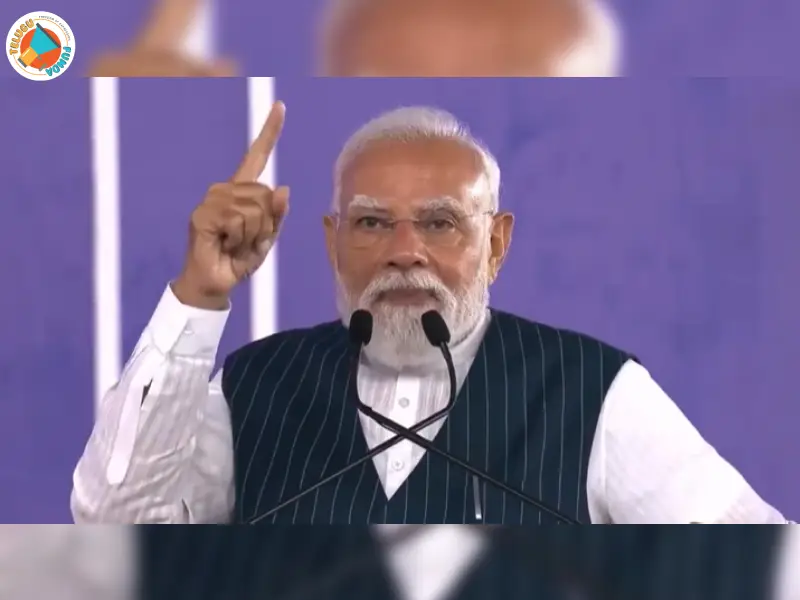
The NEET paper leak controversy has pushed the Central government into action mode, with Prime Minister Narendra Modi unveiling a series of major decisions aimed at restoring confidence in India’s examination system. As student protests intensified across the country and political pressure mounted, Modi addressed the nation twice within 12 hours, promising strict legal and administrative reforms.

New Anti-Paper Leak Law on the Way

The biggest announcement was the government’s decision to introduce a stringent law specifically targeting examination paper leaks. The proposed legislation will be discussed during the Union Cabinet meeting before being introduced in Parliament.

Calling paper leaks a “serious crime” that destroys the future of millions of students, Modi said those responsible have already been arrested but warned that the government will ensure such incidents never happen again.

“The future of our youth is our top priority. We will not spare anyone who attempts to destroy it,” the Prime Minister said.

Fast-Track Courts to Handle Paper Leak Cases

To ensure speedy justice, the Centre has backed the creation of dedicated fast-track courts for paper leak cases. A special court has already been notified in Delhi to hear such cases on priority, with a special judge appointed to oversee proceedings.

The move is expected to accelerate investigations and deliver quicker punishments for those found guilty.

Major Shake-Up in Higher Education Department

The government has also made significant administrative changes in the Higher Education Department following criticism over the handling of competitive examinations.

Senior bureaucrat Vineet Joshi has been transferred, while Naresh Gangwar has been appointed as the new Higher Education Secretary. TK Anil Kumar will take charge as Secretary of the School Education Department.

These changes are being viewed as part of the Centre’s effort to strengthen examination governance.

Student Protests Continue Across India

Despite the government’s announcements, student organisations have indicated that their protests will continue until stronger accountability measures are implemented. Demonstrations have been reported in multiple states, with demands including action against those responsible and reforms in the examination system.

Security has been tightened in parts of Delhi, including around Jantar Mantar, where large gatherings were expected.

Sonam Wangchuk Ends 26-Day Hunger Strike

Education reform activist Sonam Wangchuk ended his 26-day hunger strike after meeting Union ministers. While calling for peace, he urged the government to ensure meaningful reforms and appealed to protesters to avoid violence.

Opposition Intensifies Pressure

The opposition has continued to target the Centre over the NEET controversy. Congress leader Rahul Gandhi led a protest march in Delhi, demanding accountability over the paper leak issue. Political demonstrations and public campaigns have kept the controversy in national focus.

Celebrities React to the NEET Controversy

Several public figures have also spoken out on the issue. Cricket legend Sachin Tendulkar expressed support for students, saying their concerns deserve attention and confidence in the examination system must be restored.

Actor Prakash Raj reacted to the Prime Minister’s announcement on social media, claiming the government’s response reflected the growing impact of the nationwide student movement.

What Happens Next?

All eyes are now on the Union Cabinet meeting and the proposed anti-paper leak legislation. With fast-track courts, administrative changes, and a tougher legal framework in the pipeline, the government hopes to restore public trust.

However, with student protests still ongoing and opposition parties demanding greater accountability, the coming days could prove crucial in shaping the future of India’s examination system.

Follow Telugu Funda on trending Social Media Platforms for more Cinema, OTT, Political, And Sports updates.
Prime Minister Narendra Modi has responded for the first time to the NEET paper leak controversy, assuring students and parents that the Union Government will take every possible step to prevent such incidents in the future. Addressing the NDA Parliamentary Party meeting, Modi said the Centre is committed to building a foolproof and transparent examination system that restores public confidence.

The Prime Minister revealed that several people involved in the NEET paper leak have already been arrested. He assured that the government will pursue the case aggressively and ensure the accused receive the strictest punishment through the legal process.

Modi stressed that paper leaks are not confined to one state, but have been reported across multiple states, making it a national issue that requires collective action. He said both the Centre and the states must work together to safeguard the integrity of competitive examinations.

Highlighting the government’s response, Modi said the Centre acted swiftly after reports of the NEET paper leak surfaced. To protect students from losing an academic year, the government promptly conducted the NEET re-examination, ensuring deserving candidates were not affected by the controversy.

“We conducted the NEET re-examination immediately so that students do not face any loss,” the Prime Minister said, emphasizing that students’ futures remain the government’s top priority.

Modi also appealed to all political parties to rise above politics when it comes to the future of students. He urged them to support reforms aimed at making India’s examination system more transparent, secure, and trustworthy, ensuring such incidents are not repeated.

Follow Telugu Funda on trending Social Media Platforms for more Cinema, OTT, Political, And Sports updates.

Recent Posts

Categories